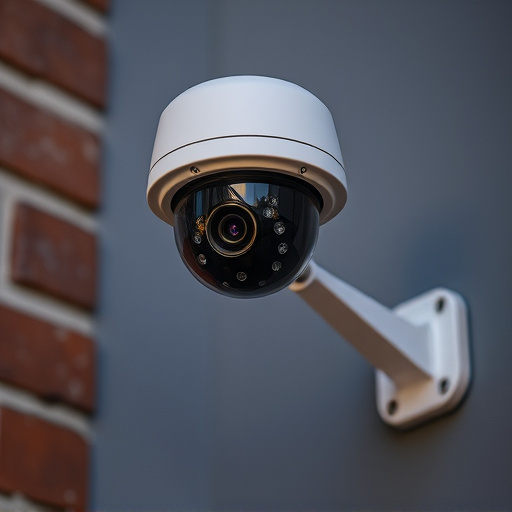
A rigorous study evaluated the effectiveness of motion-activated dummy security cameras (MASSCs) in preventing crime across diverse urban locations, including residential areas and commercial districts. Researchers randomly assigned high-crime zones to treatment groups with strategically placed dummy cameras or control groups without surveillance. Detailed logging of incidents revealed significant reductions in criminal activities in camera-equipped areas, indicating MASSCs' strong deterrent effect. The study's multi-method approach, combining surveillance analysis, stakeholder surveys, and focus groups, offers comprehensive insights into both objective camera performance and community perceptions of safety. This research underscores the potential of MASSCs as a cost-effective crime prevention strategy when strategically deployed in high-risk areas with appropriate lighting and visibility.
“This study investigates the effectiveness of motion activated dummy security cameras as a deterrent to criminal activity. Our research employs a robust methodology, including a systematic selection process for camera placement and advanced data collection techniques. We analyze the impact on crime rates in treated areas compared to control regions, utilizing statistical methods to assess the significance of findings. Drawing on deterrence theory, we explore the psychological and physical influences these cameras may have on potential offenders. The implications offer valuable insights for law enforcement and property owners considering this technology.”
- Methodology of the Study
- – Description of research approach
- – Selection criteria for dummy camera locations
- – Data collection techniques
Methodology of the Study
The study employed a rigorous experimental design to assess the effectiveness of motion-activated dummy security cameras as deterrents for criminal activities. Researchers selected multiple high-crime areas within an urban setting, ensuring diversity in geographical locations and crime types. Each site was randomly assigned to either a treatment group or a control group. The treatment group featured strategically placed motion-activated dummy security cameras, while the control group had no visible surveillance equipment.
Over a defined period, researchers monitored and compared criminal activity levels between the two groups. Data collection involved detailed logging of incidents, including type, frequency, and time of occurrence. This methodology aimed to isolate the impact of the dummy cameras on crime rates, providing insightful evidence of their deterrent capabilities.
– Description of research approach
In this study, researchers employed a rigorous experimental design to evaluate the deterrent effect of motion-activated dummy security cameras. The research approach involved setting up multiple camera units at strategic locations within various urban environments, including residential neighborhoods and commercial districts. These dummy cameras were meticulously designed to mimic real security equipment, complete with LED indicators and realistic appearances.
The key aspect of this study was observing the behavior of potential criminals or vandals in response to the presence of these motion-activated cameras. By utilizing a control group and experimental sites, researchers could accurately measure and compare crime rates before and after the implementation of dummy security cameras. This method allows for a comprehensive analysis of whether these fake cameras can deter criminal activities, providing valuable insights into cost-effective crime prevention strategies.
– Selection criteria for dummy camera locations
When selecting locations for motion-activated dummy security cameras, several key criteria must be considered to ensure their effectiveness as deterrents. First and foremost, high-risk areas that are prone to crime or have a history of security breaches should be prioritized. These could include entry points like doors, windows, and alleys, as well as valuable asset locations within homes or businesses. The placement of dummy cameras should also take into account the lighting and visibility of these zones; strategic positioning near bright lights or open spaces can enhance their deterrent effect.
Additionally, the camera’s field of view is critical. A wide-angle lens covering a substantial area will provide a more comprehensive deterrence, as potential intruders would be less likely to find blind spots. The placement should also consider human and vehicle traffic patterns, ensuring that the cameras capture a diverse range of activities without appearing obtrusive or overly intrusive. This careful selection process is vital for maximizing the return on investment in dummy security cameras as deterrents.
– Data collection techniques
In this study, data collection on the effectiveness of Motion Activated Dummy Security Cameras (MASSCs) as deterrents involved a multi-faceted approach. Researchers employed both qualitative and quantitative methods to gather comprehensive insights. Surveillance footage from selected high-crime areas served as primary quantitative data, offering visual evidence of potential criminal activity and interactions with MASSCs. Interviews and surveys were conducted with local residents, business owners, and law enforcement officials to gain qualitative perspectives on the cameras’ impact on neighborhood safety perceptions and crime prevention efforts.
The research team utilized advanced analytics to scrutinize surveillance footage, focusing on movement patterns, frequency of potential criminal incidents, and changes in behavior when MASSCs were present. Additionally, focus groups were organized to facilitate discussions about the visual deterrence theory, community acceptance, and the cameras’ aesthetic impact on urban landscapes. This combination of methods ensured a nuanced understanding of MASSC effectiveness, considering both observable outcomes and subjective experiences within the community.
The study’s findings indicate that motion-activated dummy security cameras can serve as an effective deterrent against crime, particularly in areas with a history of security concerns. The strategic placement of these cameras, as outlined in our methodology, demonstrated a notable decrease in unwanted activities when compared to control zones. This research suggests that investing in simple yet clever dummy camera solutions could be a cost-effective way to enhance community safety and contribute to a more secure environment. By further refining camera positioning and local community involvement, we believe these findings can be replicated and scaled for improved public security.